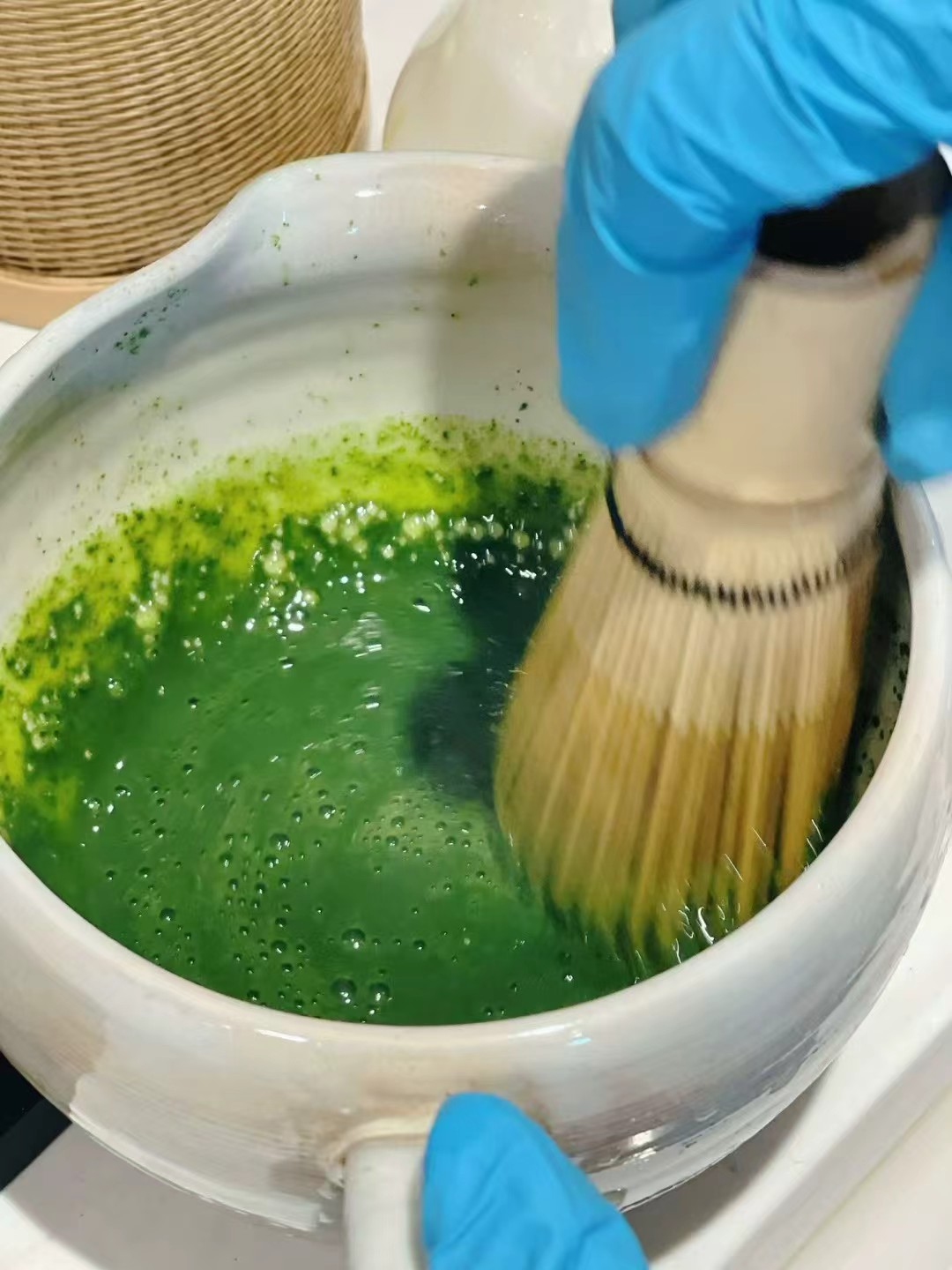

How to Whisk the Perfect Matcha
Whisking matcha may look simple, but creating a satisfying bowl of matcha involves much more than technique alone.The matcha powder itself, the quality and condition of the bamboo whisk, the shape of the tea bowl, water temperature, and the amount of water used can all influence the final texture, foam, and flavor. Of course, whisking technique is still important. A properly prepared bamboo whisk and quick, controlled movements can help create a smooth and even texture. However, there is no single method that guarantees the same result for every matcha.
Different matcha powders have different characteristics. Some naturally produce a finer and creamier foam, while others may create a lighter layer of bubbles. Factors such as cultivar, growing conditions, processing methods, particle size, and freshness can all affect how the matcha performs when whisked. Water temperature and water-to-matcha ratio also play an important role. Water that is too hot may bring out excessive bitterness or astringency, while the right temperature can help highlight the matcha’s natural sweetness, umami, and aroma. Adjusting the amount of water can also change both the intensity of the flavor and the texture of the foam.
Most importantly, matcha does not need to have a perfectly mirror-like surface or an extremely thick layer of foam to be considered successfully prepared. The ideal result can vary depending on the characteristics of the matcha and personal preference.
In conclusion, every matcha has its own character. A good bowl of matcha is not simply about how it looks—it is about achieving a balanced texture and allowing the unique flavor of the tea to shine. Rather than focusing only on creating the perfect foam, take the time to understand the matcha you are using. Experiment with the water temperature, water ratio, and whisking technique to discover what brings out its best qualities.