
Why Choose Organic Matcha?
Many people choose organic matcha not only for its flavor, but also for the clean, natural qualities associated with organic cultivation. Compared with conventional matcha, the difference begins right at the tea field.
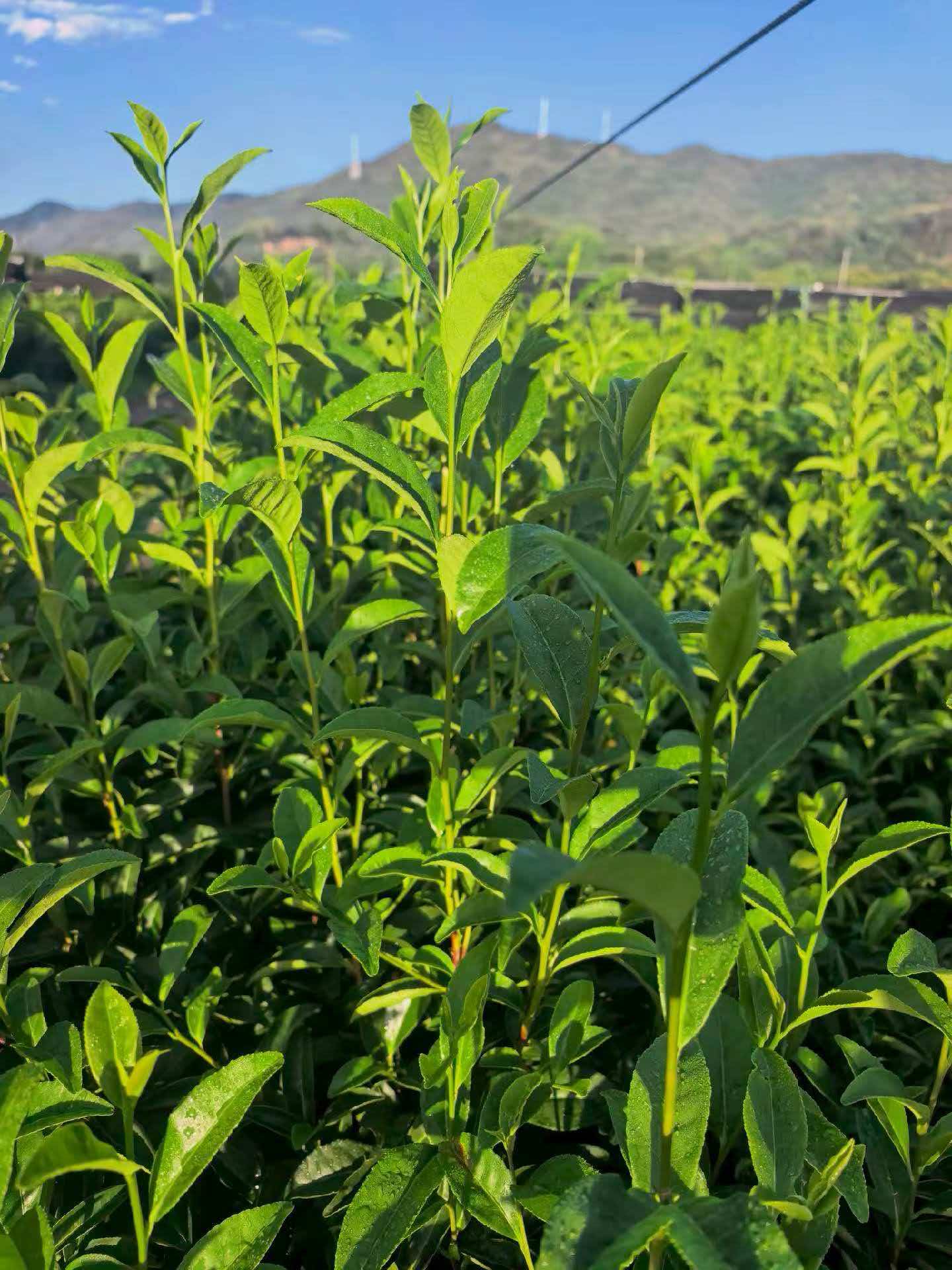
Organic tea gardens are cultivated according to strict organic farming standards, without the use of synthetic pesticides, chemical fertilizers, or artificial growth regulators. Instead, natural fertilizers and ecological farming practices are used to maintain soil health and manage pests, allowing the tea plants to grow in a carefully managed natural environment. This approach helps reduce exposure to synthetic agricultural chemicals and provides a reliable foundation for producing clean, high-quality tea leaves.
The growing environment also plays an important role in the characteristics of matcha. Through careful cultivation and proper tea garden management, the leaves can develop the vibrant green color, smooth texture, fresh aroma, and rich umami flavor that consumers look for in quality matcha.
Beyond the product itself, organic cultivation also supports a more sustainable approach to tea farming. Reducing the use of synthetic agricultural chemicals helps protect the soil, water, and surrounding ecosystem while supporting the long-term health and productivity of the tea fields.
At Great Rise, we follow strict organic cultivation and processing standards. Our organic matcha is certified to USDA Organic and EU Organic standards, providing food and beverage manufacturers with reliable, compliant, and consistent organic matcha ingredients. From beverages and dairy products to bakery, desserts, and functional foods, our organic matcha offers a versatile ingredient for a wide range of applications.