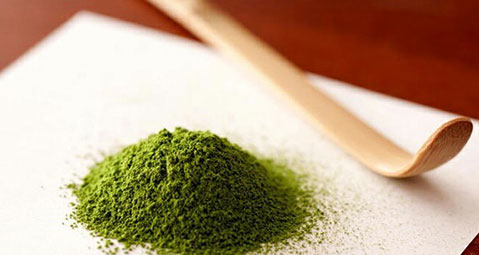

You May Not Know About Matcha 🍵
Matcha has become one of the world’s most popular superfoods, but there are still many fun facts about its history and production that are often overlooked. Here are four interesting insights into the matcha.
- Matcha Cultivation
Although powdered tea originated in China and was introduced to Japan around the 12th century, the modern cultivation method used for matcha was developed in Japan. The practice of shade-growing tea plants before harvest, which gives matcha its vibrant green color, rich umami flavor, and high chlorophyll content, has a history of over 400 years.
- Matcha’s “New Harvest”
Many people associate spring (March to May) with the tea harvest season. While this is true for many green teas—including Japan’s famous sencha—the story is different for matcha.
The tea leaves used to make matcha, known as tencha, are harvested in May and June. Instead of being ground immediately, the leaves are carefully stored and matured for several months. They are typically stone-ground into matcha in fall, making October the season when fresh harvest matcha begins entering the market.
- Matcha’s Applications in Modern Foods
Today, matcha is widely used in a variety of food and beverage products, from lattes and cakes to chocolates, ice cream, smoothies, and functional foods. As consumers become increasingly conscious of healthy lifestyles and mindful eating, matcha-based products have grown in popularity worldwide. Its unique flavor, vibrant green color, and natural health benefits have made matcha a key ingredient in modern food innovation, inspiring the global trend we see today.
- The Art of Blending Matcha
Like many premium beverages, matcha powder is often carefully blended to achieve consistent quality and flavor. Tea masters may combine teas from different harvests, different cultivars, or different quality grades to create a balanced profile. In recent years, influenced by the growing appreciation for specialty coffee, single malt whisky, and fine wine, a new generation of tea producers has begun exploring single cultivar matcha, allowing consumers to experience the unique characteristics of individual tea varieties.
In conclusion, understanding how matcha is cultivated, processed, and blended helps us appreciate the craftsmanship behind every bowl. As global demand continues to grow, matcha is evolving from a traditional tea into an ingredient celebrated for both its heritage and its remarkable versatility.